
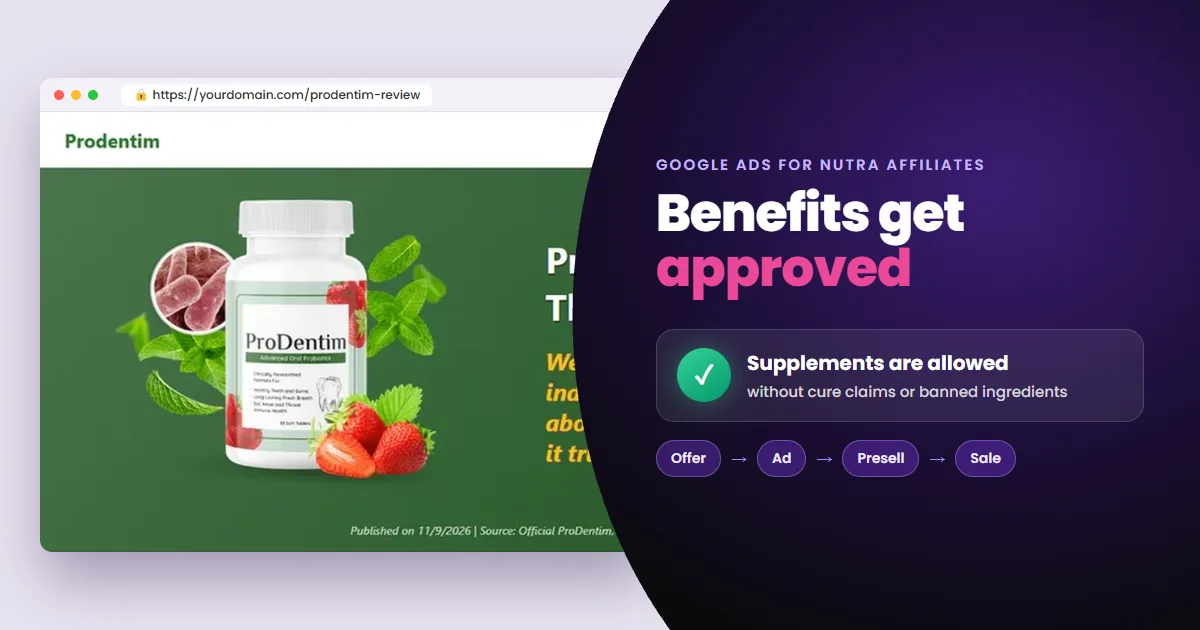
Yes, you can promote nutraceutical products as an affiliate on Google Ads. Supplements are allowed. What gets accounts suspended is three things: banned ingredients, ads that promise a cure, and pages that only send the visitor elsewhere.
- Banned: ephedra, hCG for weight loss and supplements with drug ingredients.
- Restricted: any claim to prevent, cure or treat a disease.
- Allowed: vitamins, collagen, probiotics and herbal formulas sold on their benefits.
- What sells: a presell with original content and campaigns that learn from every new sale.
Why nutra affiliates choose Google Ads (and why so many get suspended)
On Google, the buyer is already searching for the solution. That's the advantage nutra affiliates chase. The catch is enforcement. Google blocked or removed more than 8.3 billion ads in 2025, and health is one of its most restricted categories.
Nutra (short for nutraceuticals) means supplements sold for a health benefit: weight loss, joints, sleep, focus, skin, hair, men's health and immunity.
Healthcare violations are treated as egregious: the account can be suspended on detection, with no prior warning. So two decisions come before any ad: where the offer comes from, and whether Google lets it run.
Where to find nutra offers to promote as an affiliate
Nutra offers come from affiliate networks: they list the products, process the sale and pay your commission. Each one has its own entry rules, payout model and payment schedule.
- ClickBank: open sign-up, a percentage of each sale (up to 90% on some products), paid on Fridays.
- Digistore24: free sign-up, a percentage of each sale, payouts on the 7th, 14th, 21st and 28th.
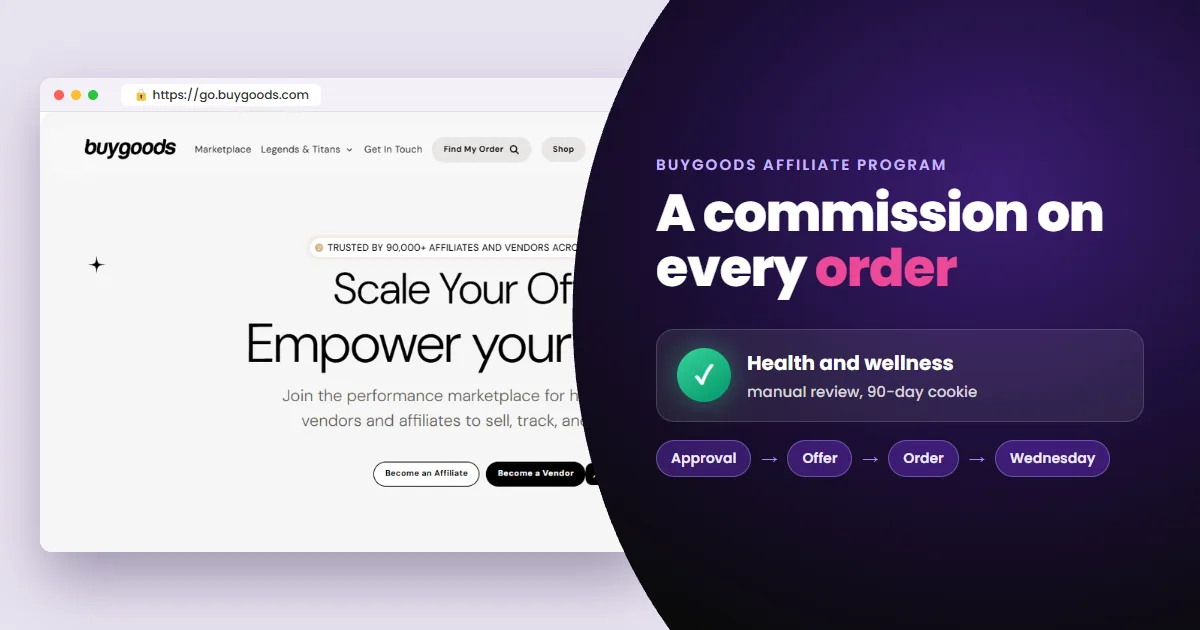
- BuyGoods: health and wellness only, manual review with proof of results, paid on Wednesdays.
- MaxWeb: a CPA network with 300+ offers, two references to join, paid on Wednesdays from $100.
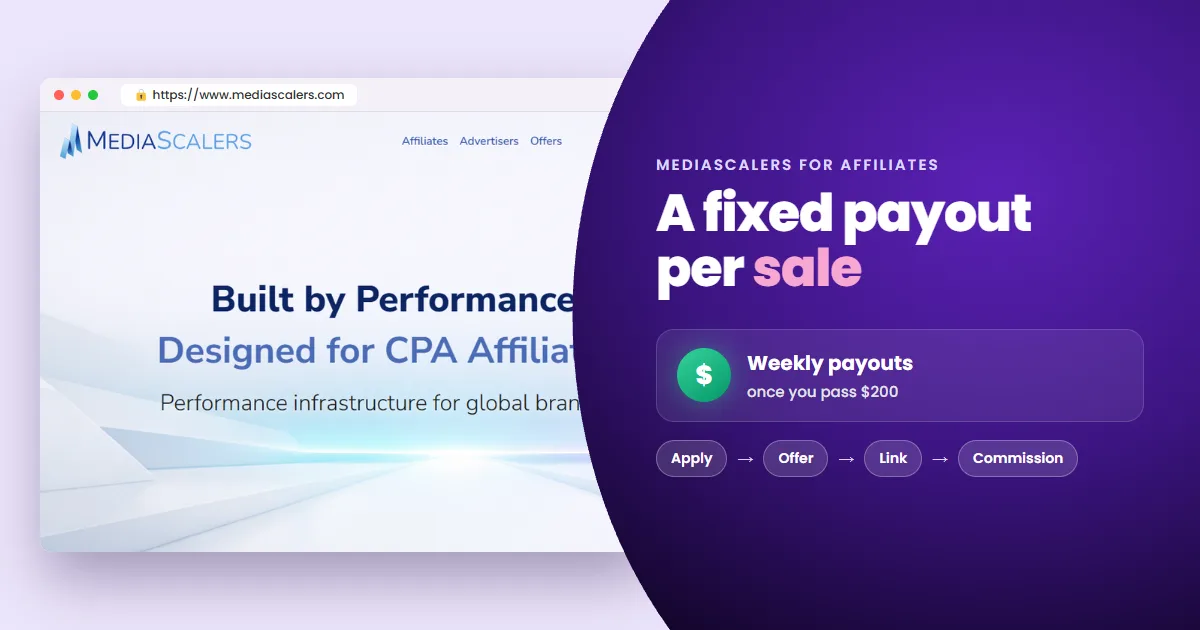
- MediaScalers: a CPA network, approval offer by offer, weekly payouts from $200.
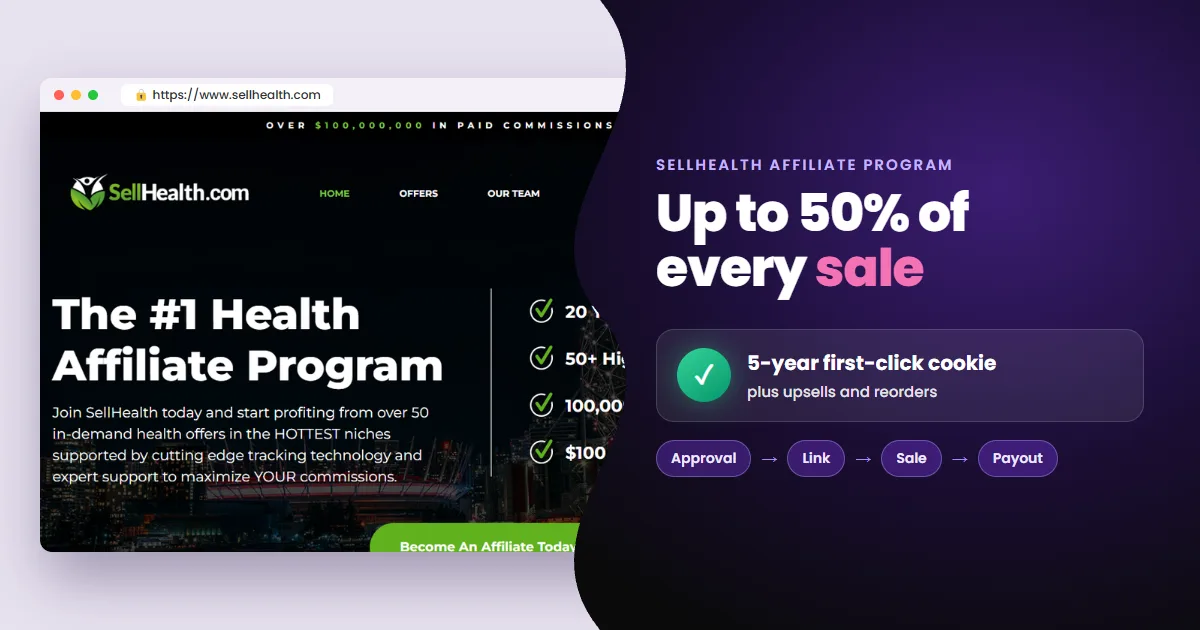
- SellHealth: owns its health brands, pays 30% to 50% and allows brand bidding on Google Ads.
Open networks like ClickBank and Digistore24 are where most affiliates start. Curated ones like BuyGoods, MaxWeb and SellHealth ask for a track record before they approve you.
The network hands you the offer. Whether Google accepts it depends on what is inside the bottle.
Banned, restricted or allowed: where your nutra offer stands
Google's Healthcare and medicines policy sorts supplements into three groups. Check the ingredient label before you check the payout.
Banned: no ad gets approved
Under the Unapproved substances rule, Google lists, among others:
- Products containing ephedra.
- hCG sold for weight loss, or promoted with anabolic steroids.
- Herbal and dietary supplements with drug or dangerous ingredients.
- Products under government or regulatory warning, or named like an unapproved drug.
- DHEA, except in campaigns that target only the United States.
Restricted: the product passes, the promise doesn't
A legal supplement still gets disapproved when it's sold as medicine. The risk lives in the wording:
- Claims that it prevents, cures or treats a disease or condition.
- Saying it works as well as a prescription drug.
- Improbable results presented as likely (Unreliable claims).
- Sensational or fear-based copy (Clickbait ads).
Generally allowed: benefits, not cures
Vitamins, minerals, protein, collagen, probiotics and herbal formulas run normally. The rule is to describe, not to promise a medical result. A turmeric formula can talk about joint support. It can't say it ends arthritis.
Knowing where the offer stands is the easy part. Most disapprovals happen later, in the ad text itself.
How to write nutra ads that get approved
Describe the product and give the reader a reason to learn more. Never promise the result. The same idea, written two ways:
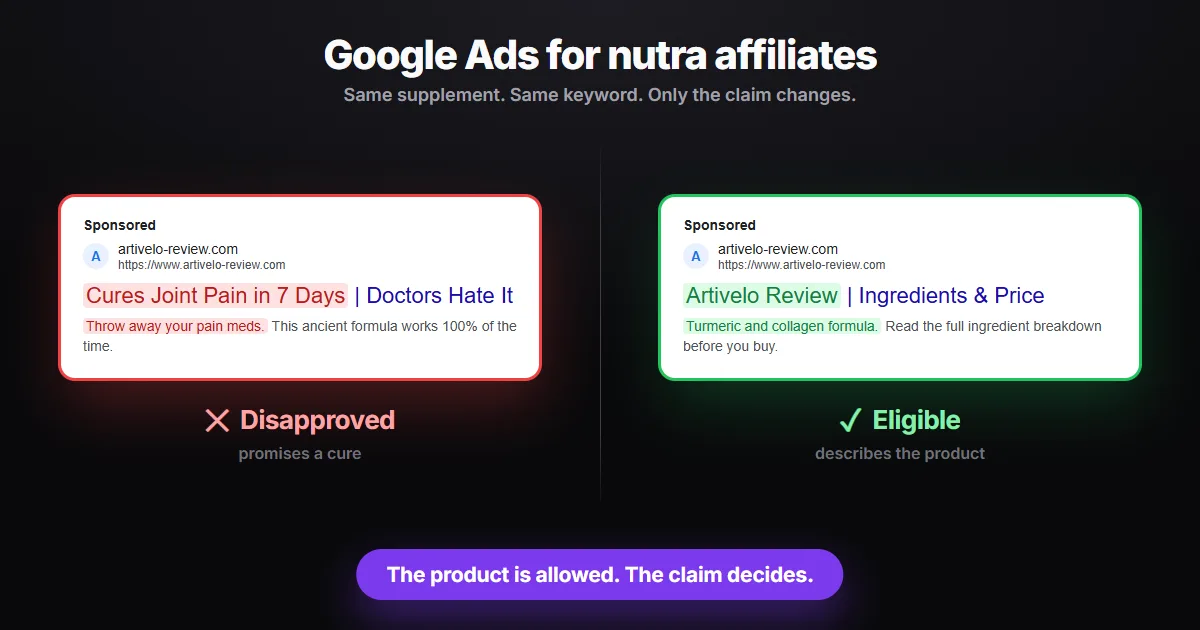
- ✗ “Cures joint pain in 7 days” → ✓ “Turmeric and collagen joint formula”
- ✗ “Lose 10 lbs this week” → ✓ “See the ingredients before you buy”
- ✗ “Doctors hate this trick” → ✓ “[Product] review: ingredients, price and refund”
- ✗ “Throw away your pills” → ✓ “Natural formula, 60-day money-back guarantee”
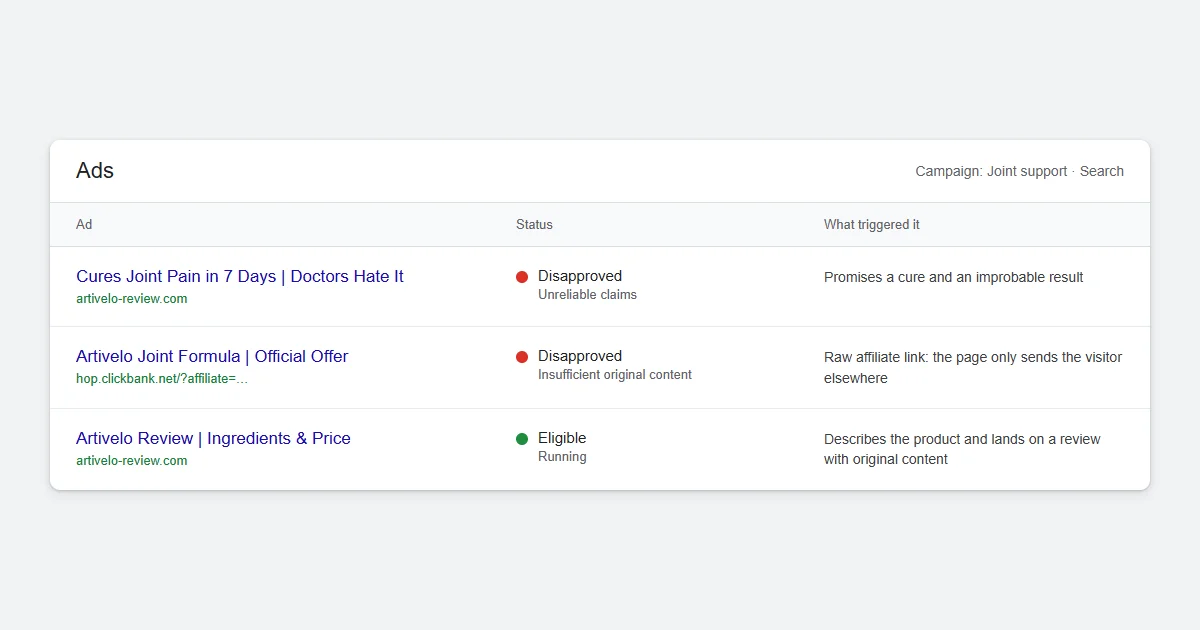
Pick keywords the same way: product reviews, ingredients and benefits. Disease names attract the strictest review.
Health is a sensitive category for targeting. Remarketing and Customer Match lists can't be used to promote it. Google's own audiences, like in-market, still work.
A compliant ad gets you the click. But where that click lands is reviewed too.
Your page must add something the sales page doesn't
Google's Destination requirements disapprove pages built only to send users elsewhere. That's why a raw affiliate link or an empty redirect fails. The page between the ad and the offer needs original content.
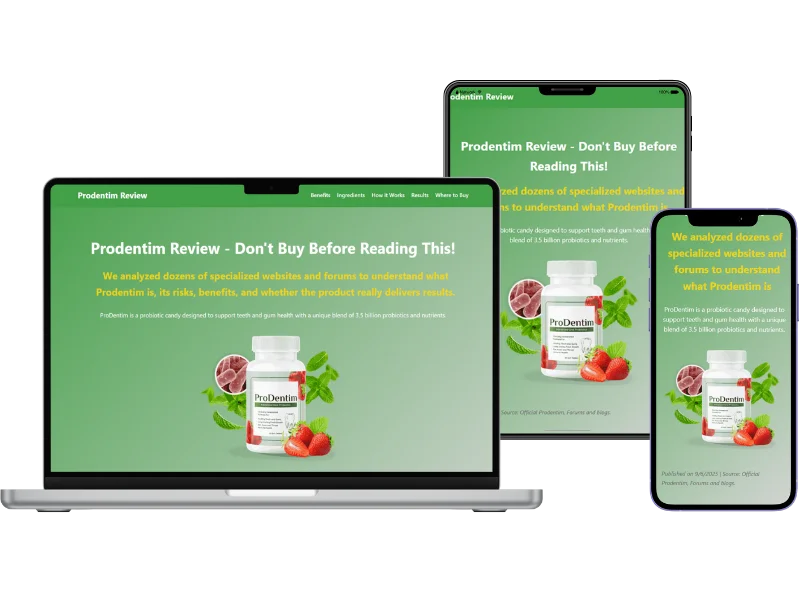
A presell is the page between your ad and the vendor's sales page. It informs, qualifies the visitor and then sends them to the offer with your affiliate link.
Which presell format fits each nutra niche
Match the format to what the visitor searched:
- Weight loss: review page with an ingredient breakdown and a clear verdict.
- Focus and sleep: quiz that identifies the reader's problem first.
- Joints and immunity: review or editorial article explaining the ingredients.
- Cash on delivery offers: presell with the order form on the page.
- Branded searches: review page answering “does it work?” and “is it legit?”.
Publish the presell on your own domain, with HTTPS and fast loading: a slow page makes every click cost more. Our guide to the nutraceutical review page goes step by step.
With the ad and the page approved, the campaign runs. What decides profit now is what Google learns from it.
Payout model and country change what you report to Google
Smart Bidding optimizes for the conversion you send. Send the wrong event and it buys the wrong clicks. Each payout model needs a different signal:
- Straight sale (ClickBank, Digistore24, BuyGoods): report the confirmed sale with its value.
- Trials and rebills: count the first charge, not the free sign-up.
- Cash on delivery (COD): report only approved orders. Many leads never pay.
Country matters too. The US, UK, Canada and Australia pay more per sale and cost more per click. Some rules are local: DHEA, for example, is only allowed in US campaigns.
Campaigns that learn from sales, not page views
Page views and button clicks teach Google to find curious visitors. Confirmed sales teach it to find buyers. The link between them is the GCLID, captured at the click.
In practice, tracking the sale takes three things:
- 1Keep the GCLID of every click, from the presell to the checkout.
- 2Receive the confirmed sale from the affiliate network.
- 3Record that sale in Google Ads as a conversion, with the order value.
With that, Target CPA and Target ROAS start aiming at buyers. You stop paying for curious clicks, and every new sale makes the campaign sharper.
Does this hold up with real money? A published case says yes.
What a compliant nutra campaign returned in a published case
An affiliate case published by Affdays shows the math. No medical claims, Search campaigns and $834 invested turned into a profit.
- Offer: Keto Genetic, weight-loss capsules, through the OFFERRUM network.
- Where and when: Russia and Kazakhstan, from Dec 8, 2019 to Feb 14, 2020.
- Setup: Search campaigns, one per country, with automatic bidding.
- Page: the network's landing page, with the nutritionist's opinion and medical claims removed.
- Result: $834 invested, $2,927 in revenue, 214 confirmed leads and 251% ROI.
The case is from 2019, in a cash-on-delivery market, so the numbers won't repeat as they are. What carries over is the logic: no medical promise, and only confirmed leads counted. Source: Affdays, nutra case studies.
Checklist before you launch a nutra campaign
Run through this list before you switch the campaign on:
- 1Ingredient label checked against Google's unapproved substances list.
- 2Vendor rules read: some ban their brand name in keywords and ads.
- 3Ad copy free of cure, treatment and guaranteed-result claims.
- 4No remarketing or Customer Match lists in the campaign.
- 5Presell with original content, on your own domain with HTTPS.
- 6Conversion set to the confirmed sale, with its value.
- 7Country chosen, and its local rules checked.
Frequently asked questions about Google Ads for nutra
Does Google allow ads for supplements?
Yes. Dietary supplements are allowed when they contain no banned ingredient and the ad doesn't promise to prevent, cure or treat a disease.
Which affiliate networks have nutra offers?
ClickBank, Digistore24, BuyGoods, MaxWeb, MediaScalers and SellHealth all list supplements. ClickBank and Digistore24 have open sign-up; the others review your experience first.
- How ClickBank works
- How Digistore24 works
- How BuyGoods works
- How MaxWeb works
- How MediaScalers works
- SellHealth affiliate program
Can I use the supplement's name in my ads?
It depends on the vendor. Many forbid their brand name in keywords and ads in their affiliate terms, so read them first. Our article on bottom of funnel ads for nutraceuticals covers branded searches.
Can I run remarketing for a nutra offer?
No. Health is a sensitive category, so remarketing and Customer Match lists aren't allowed. Google's in-market and affinity audiences can still be used.
What if my account gets suspended for a healthcare violation?
Fix the cause first: the ingredient, the claim or the page. Then file an appeal from the same account. Opening new accounts to keep advertising leads to more suspensions.
 AdsXEverything you need to sell as an affiliate
All of this, ready in minutes
If you want all of this running without doing it by hand, AdsX has over 5,000 users and does it for you: it builds the presell, publishes it on your domain, sets up the campaign and tracks every sale.
More on Nutraceuticals
 MediaScalers Review: How the Affiliate Network Works and Pays
 SellHealth Affiliate Program: How It Works and Pays
 BuyGoods Affiliate Program: How It Works and Pays